
Static vs. Dynamic ADAS Calibration: What's the Difference
The Difference Between Static & Dynamic ADAS Calibration
Dynamic ADAS calibration happens while your vehicle is being driven, using live feedback from the road to fine-tune the cameras and sensors in real time. Static ADAS calibration happens with your vehicle parked in a controlled shop environment, using specialized targets and equipment positioned at exact, manufacturer-specified distances. Which one your car needs depends on its make and model, and some vehicles require both to complete the process correctly.
Neither method is more advanced than the other. Manufacturers build each vehicle's ADAS system around a specific calibration process, and using the wrong one, or skipping a required step, leaves the system working with inaccurate information.
Dynamic ADAS Calibration
Dynamic calibration relies on the vehicle actually being in motion. A technician drives the car at a manufacturer-specified speed, typically along a marked route or highway, while the ADAS system's cameras and sensors read real lane markings, road signs, and surrounding traffic to recalibrate themselves. Our technicians monitor the process the entire time, confirming the system is picking up accurate readings before the drive is complete.
This method works well for vehicles whose manufacturers designed the calibration process around real-world driving conditions rather than a fixed target setup. Weather, road markings, and traffic all need to cooperate enough for the drive to succeed, which is one reason some vehicles are built to use static calibration instead.
Static ADAS Calibration
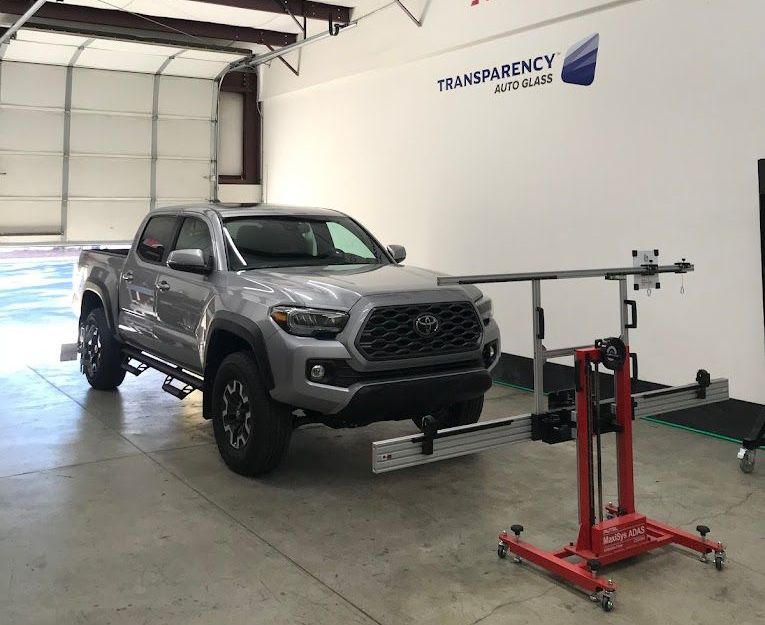
Static calibration keeps the vehicle stationary the entire time. Instead of using the road, technicians set up specialized calibration targets, boards printed with precise patterns the vehicle's cameras and sensors are trained to read, at exact distances and angles specified by the manufacturer. The shop environment has to be controlled, with level flooring, consistent lighting, and enough clear space to position the targets correctly.
Static calibration takes more setup than dynamic calibration, but it gives technicians full control over the conditions, which matters for vehicles whose systems require that precision. Transparency Auto Glass has the equipment and training this process requires, rather than relying on a partial calibration and hoping the system compensates on its own.
Which Calibration Method Your Vehicle Needs
You don't have to figure out which calibration method applies to your car. After a windshield replacement or any repair that could affect your ADAS system, our certified technicians check the manufacturer's requirements for your specific make and model and calibrate it accordingly, whether that means a dynamic drive, a static setup, or both.
Some vehicles need one method exclusively, while others require a dynamic drive to finish what a static setup started, or the reverse. Getting the sequence and the specifications right matters more than which method sounds more advanced, since an incomplete or incorrect calibration can leave the system reading the road inaccurately even with no warning light showing on the dashboard.
This is part of the same ADAS calibration service we perform for windshield replacements throughout Garner and the Research Triangle, using manufacturer-specified equipment so the calibration is done right the first time.
Schedule Your ADAS Calibration Throughout the Research Triangle Area
Every calibration we perform is backed by our nationwide lifetime warranty on workmanship and handled by certified technicians trusted by dealerships across the Research Triangle. Get a free quote today and we'll confirm exactly which calibration method your vehicle needs. To learn more about ADAS calibration, visit our knowledge center.