



ADAS Calibration for Modern Vehicles
ADAS calibration realigns your vehicle's safety sensors and cameras after a windshield replacement so features like lane departure warning and adaptive cruise control continue working correctly. Transparency Auto Glass is certified in both static and dynamic calibration for any modern vehicle.

How ADAS Calibration Works
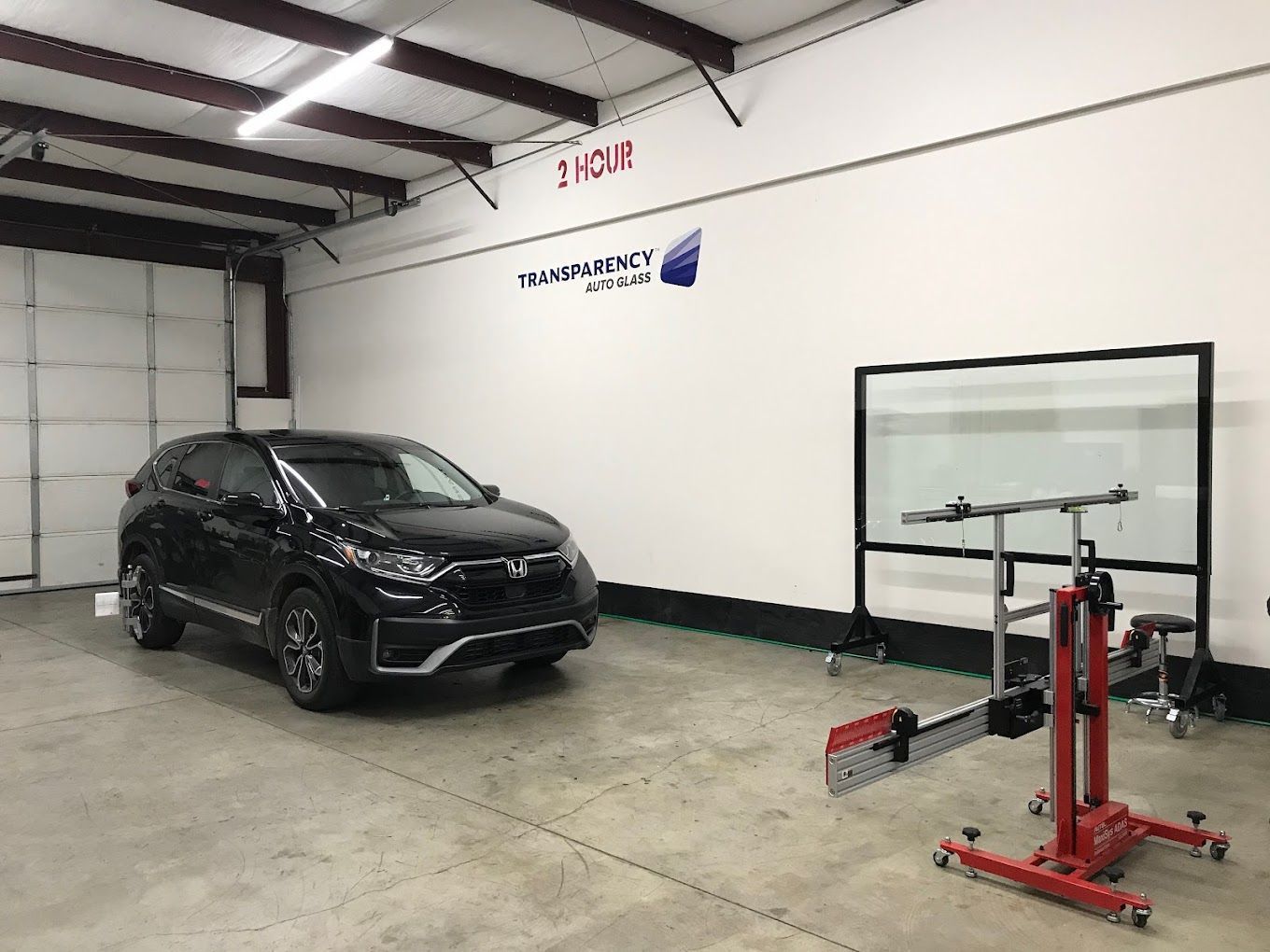
When it comes to ADAS calibration, there are two main types depending on the make and model of the vehicle. A dynamic calibration process requires a technician to take the vehicle out for a drive, allowing the system to recalibrate itself against real road conditions. A static calibration process uses specialized tools to calibrate the system while the vehicle stays stationary in the shop. A trained technician can get accurate results from either method, and we always follow the manufacturer's specific guidelines for your vehicle to ensure the best outcome.


Why Calibration Matters After a Windshield Replacement
Most ADAS sensors are mounted on or behind the windshield, which means any change to that glass can throw the whole system out of alignment. According to the Insurance Institute for Highway Safety, lane departure warning systems alone have been shown to lower certain crash rates by 11 percent and injury crash rates by 21 percent. That kind of protection only works if the underlying cameras and sensors are calibrated correctly, which is exactly what happens after a proper windshield replacement.
Get Your ADAS Calibrated Today
Transparency Auto Glass has the training and equipment needed to perform static and dynamic ADAS calibration. Don't let a windshield replacement leave your vehicle's safety features out of alignment. Contact Transparency Auto Glass today for a free quote on your certified ADAS calibration.
Frequently Asked Questions
What is ADAS calibration?
Learn MoreADAS calibration is the process of adjusting your vehicle’s cameras and sensors to the manufacturer’s specifications so its driver-assistance features can work accurately.
Does my car need ADAS calibration after a windshield replacement?
Learn MoreYes, if your vehicle has ADAS. Every major manufacturer requires recalibration after a windshield replacement to keep cameras and sensors reading accurately.
What are the signs my vehicle needs calibration?
Windshield damage or replacement, a recent collision, new tires, or a dashboard ADAS warning light are all signs your vehicle may need calibration.
What ADAS features exist in modern vehicles?
Common features include adaptive cruise control, lane departure warning, blind spot detection, and automatic emergency braking, though they vary by make and model.
What critical vehicle functions depend on calibration?
Crash warnings and automatic emergency braking, adaptive cruise control, and lane departure/lane keep assist all depend on accurate calibration.
Can ADAS calibration be done mobile, or does it need to be in-shop?
Some minor calibrations can be done in the field, but most precise calibrations should be performed in a controlled shop environment.
Does insurance cover ADAS calibration?
Learn MoreIn most cases, yes. Since manufacturers require recalibration after a windshield replacement, comprehensive insurance that covers the replacement typically covers the calibration as part of the same claim.
How do I know if my car has advanced driver assistance systems (ADAS)?
Learn MoreCheck your owner's manual, look up your VIN through the manufacturer's website, or look for cameras and sensors near the windshield, grille, or bumpers. You can also ask your auto glass shop to identify which ADAS features your vehicle has.
What is the difference between static and dynamic calibration?
Learn MoreStatic calibration is performed while the vehicle is stationary using specialized targets and equipment, while dynamic calibration is performed while driving under specific road conditions. Your vehicle’s manufacturer determines which method, or combination of methods, is required.

